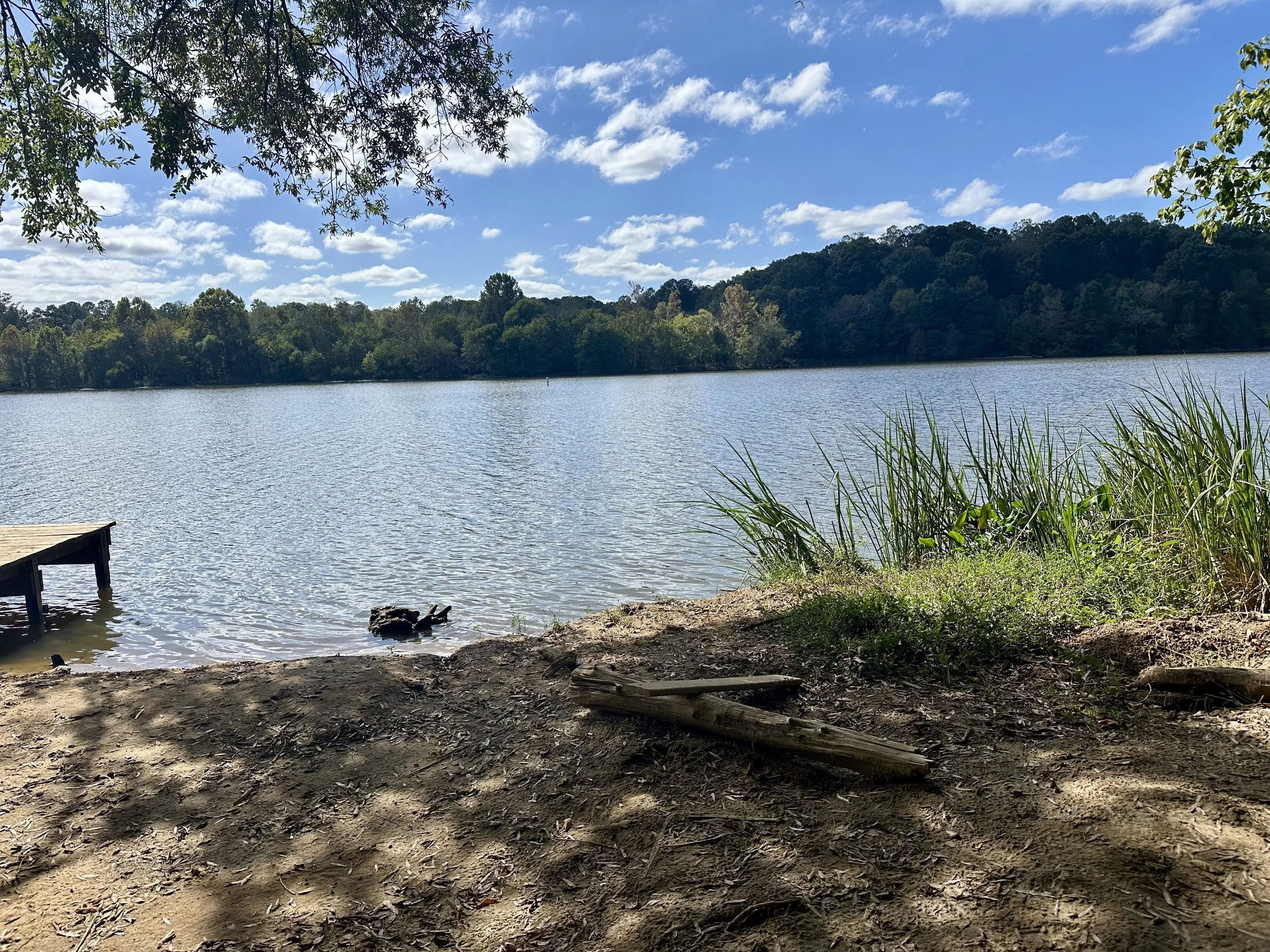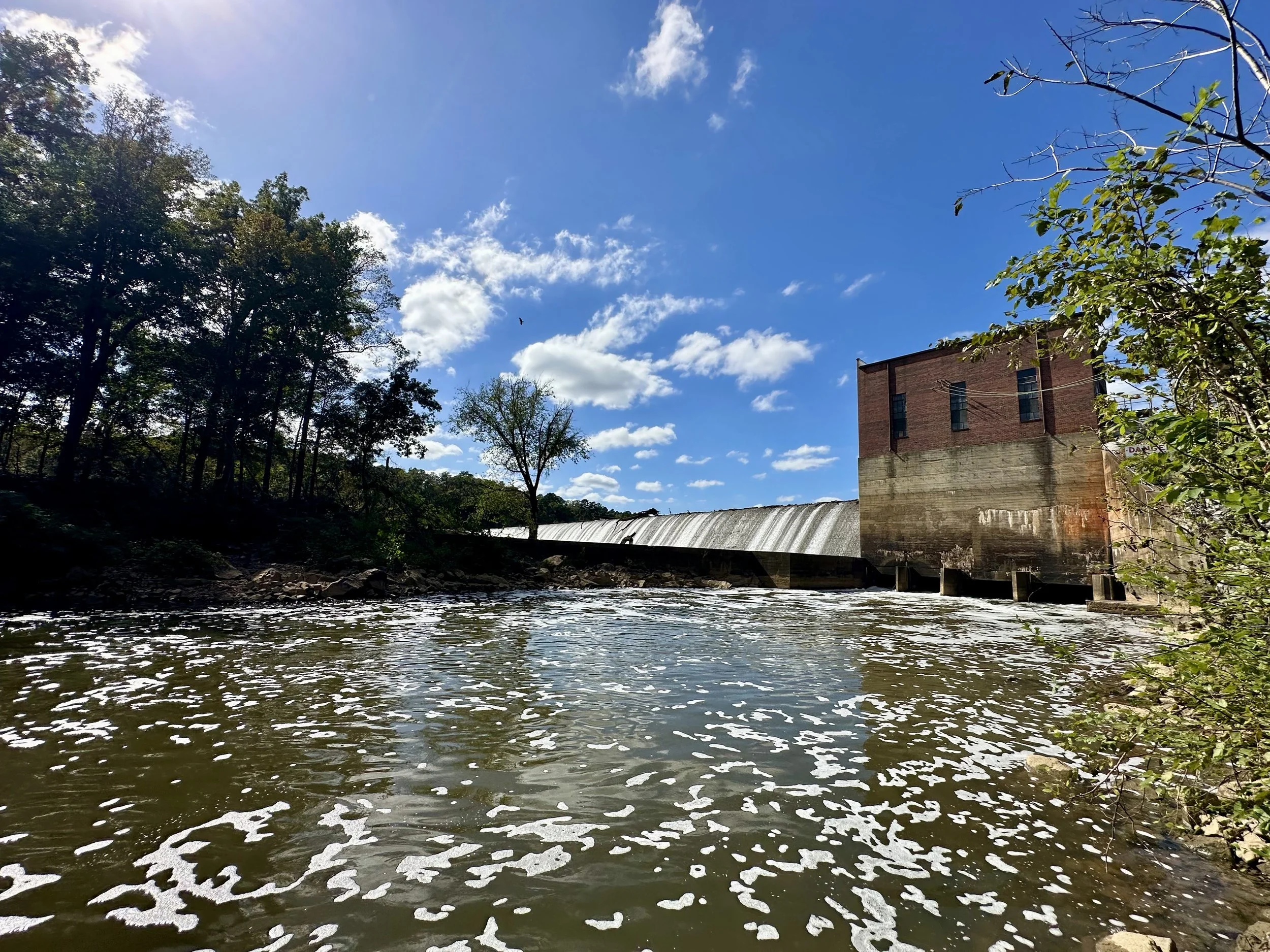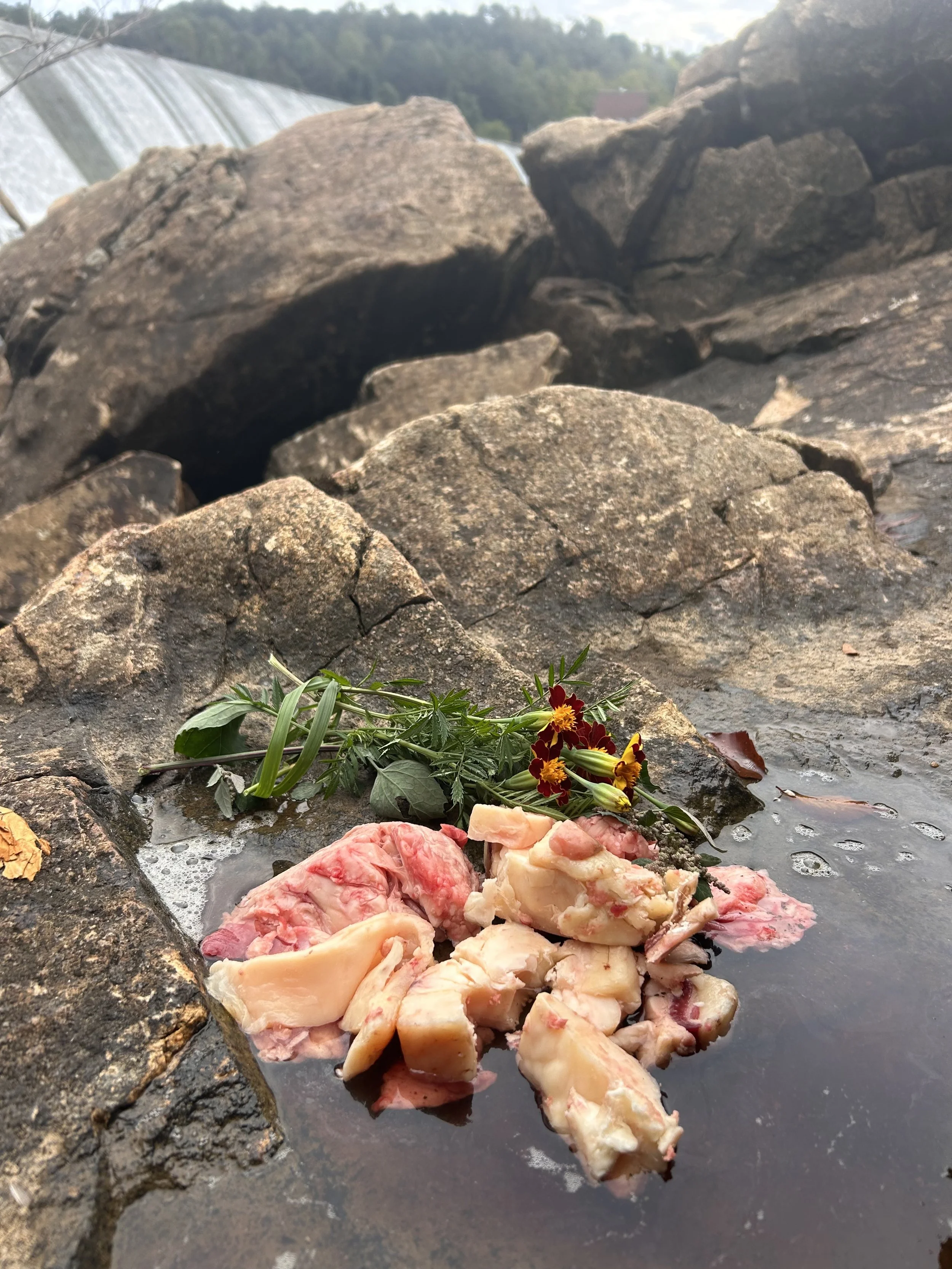
Widdershins
For Boann.
Dedicated to Darren Gibbs.
In memory of Jack Roberts.
Learn your folktales so that you know what story you’re in. —Oneida/Frank elder Dr. Apela Colorado
Truth in a ruler is as bright as the foam cast up by a mighty wave of the sea, the sheen of a swan’s covering in the sun, the color of snow on a mountain. A ruler’s truth is an effort which overpowers armies. It brings milk into the world. It brings corn and mast. —Táin Bó Cúailnge (The Cattle Raid of Cooley)
The Ceremony
My plane touched down on Beltane eve. After a sleepless harrowing red-eye to Dublin, I Hail-Maryed my way to my guesthouse with only a popped tire. Hoping the rocky transition would meet the trip’s disaster quota, I settled into my room. But the mechanic who fixed my car said disasters come in threes.
One new tire later, I drove straight to the Hill of Tara. I’ve been visiting this ancient royal seat of Ireland for 20 years, and have developed a routine of bringing gifts to the crows and the Sheela stone. Sheela-na-giggs feature old women bearing their vulvas, a complete expression of the goddess.
Every few years, the stones dream me to the land of my ancestors, where I can finally breathe. The land speaks in feelings, urges, and sometimes even words. After the offerings, I heard, go lay down in Cormac's house. I ambled over the grassy, concentric rings, and stretched out in the center of the soft circle where the good king lived. These old places are my doctors.
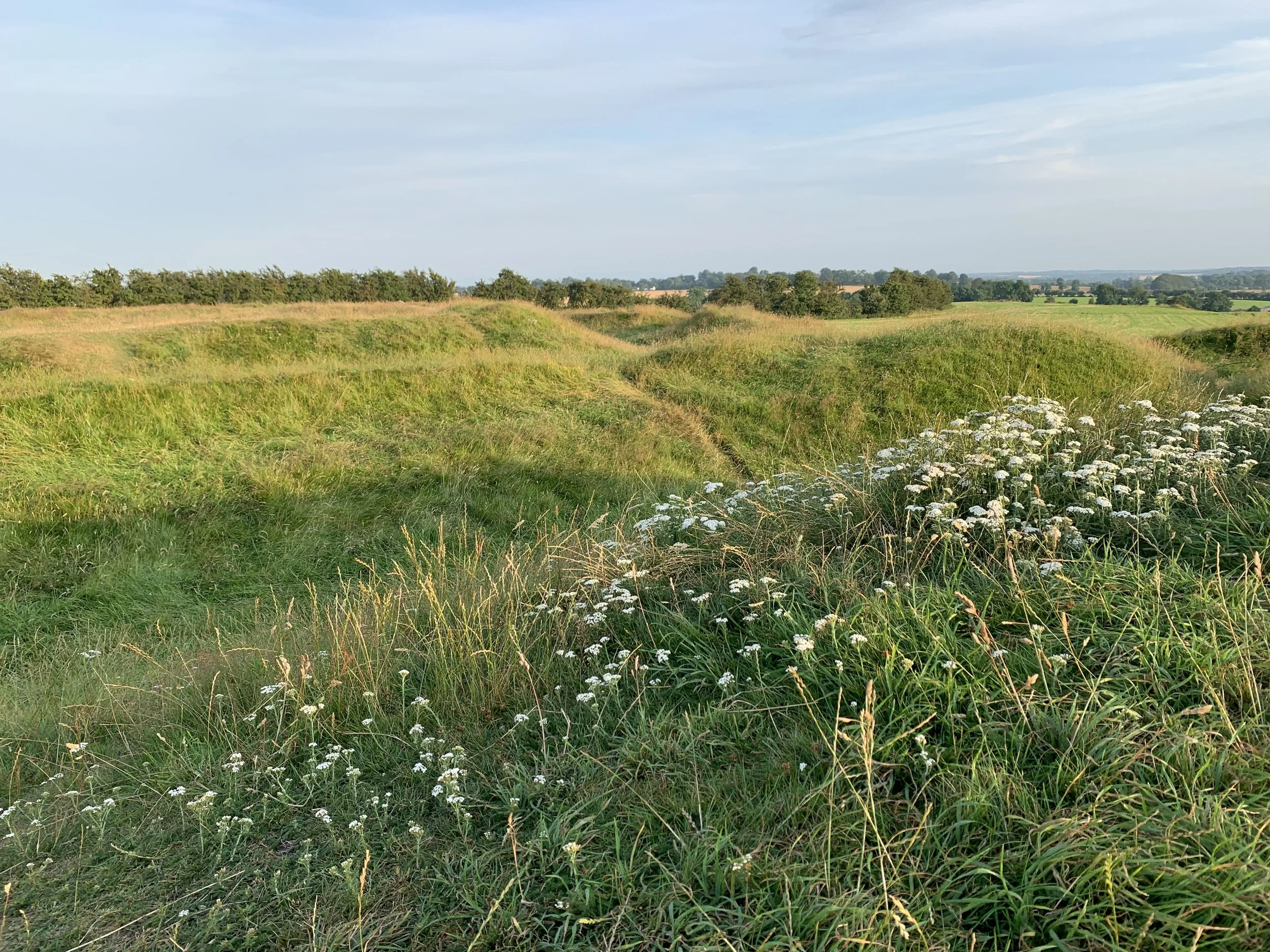
The grassy, concentric rings where the high kings of Ireland lived | photo by Erin Langley
King Cormac upheld fír flathemon, or right relation.[1] From integrity with nature flows otherworldly support. One day, the fairy king Mannanan Mac Lir, breezed into Cormac’s home to offer just that. He invited the human king to visit Mannanan's own ocean domain, where they encountered a strange plain of wells, each measuring inflow against outflow, to demonstrate exactly how much a person had taken.
At the end of their visit, Mannanan gave Cormac his cup of truth. Speaking lies over the cup caused it to break, but speaking words of truth rendered the vessel whole again. This would help Cormac make correct judgments—not just gauge factual accuracy, but uphold alignment with the natural order.
Sundown marks the start of Beltane, a high holy day when magic peaks, and spirits roam. Tara always bristles with myth, but tonight felt especially alive. Dusk began to blur the landscape, and I can’t drive in the dark. As soon as I stood up to leave, three women called me over to the standing stone on top of the Hill of Tara. I walked to the so-called stone of destiny, where the three women stood. They asked if I would join their ceremony for the sovereignty of the land, that its rightful stewardship be restored. Yes.
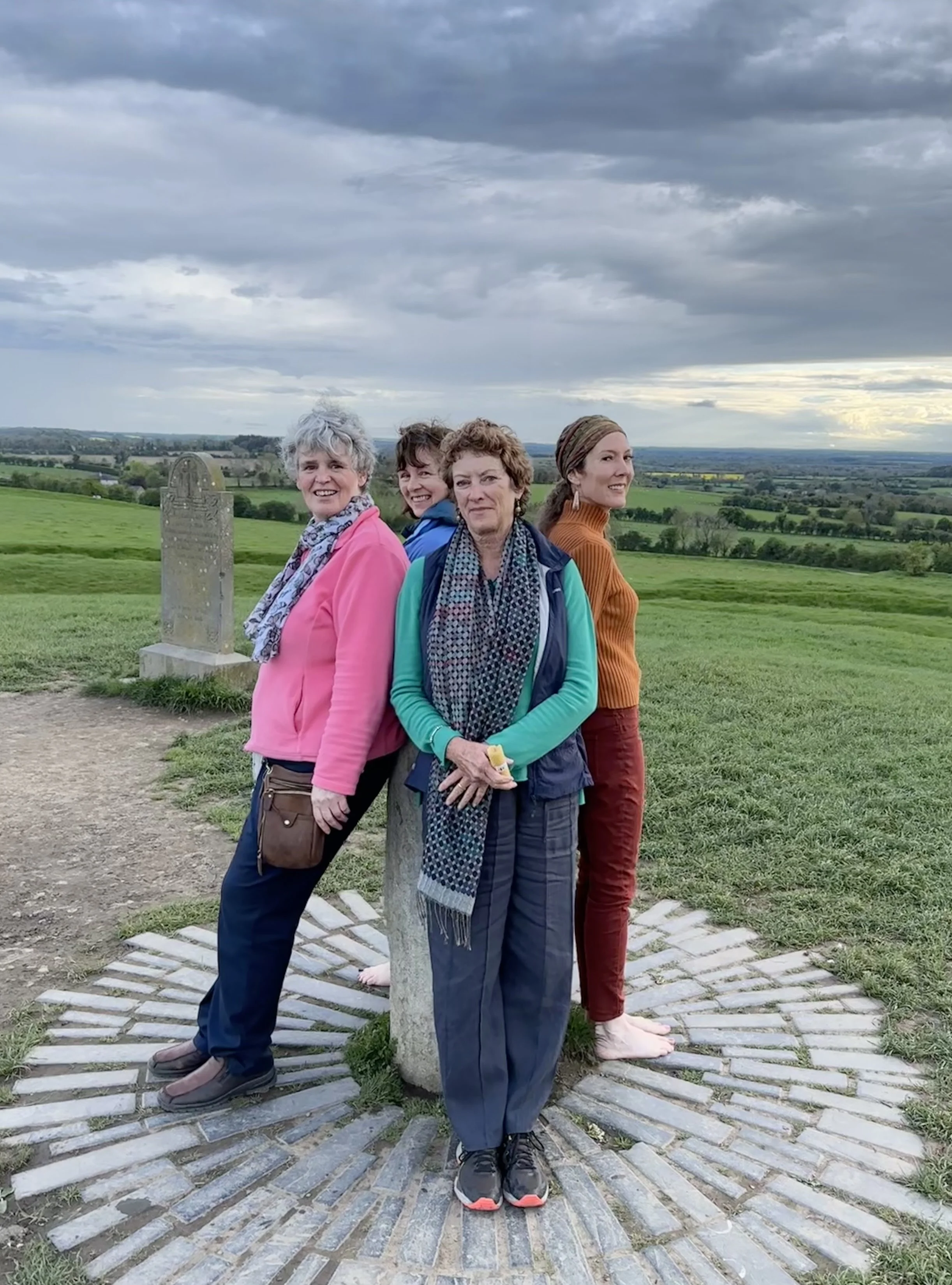
Ceremony at the Hill of Tara | photographer unknown
The Land
My mother named me Erin. Eriu and her two sisters Banba and Fodla came to Ireland as three goddesses of sovereignty—each of their names representing different aspects of the land. Eriu means fat, full, and abounding. Sovereignty here doesn’t mean personal empowerment or autonomy, but that Ireland herself can appear as a woman to grant kings permission to rule in partnership with her.
I’d arrived in Ireland sick. Not in the contagious way, but in the way that affects everyone of our epoch. Starvation sent my family away from Ireland, and I came back starving. Far from full, fat, and abounding, I was skin and bone.
When I told the women my name, they knew they were right to invite me. They’d also brought candles, but no lighter. I pulled one from my bag. Everything fell into place, and we began to pray. Each of us stood in one of the four directions, and shaped a world through our words. The land overflowed through us like Boann’s milk pouring over the valley.
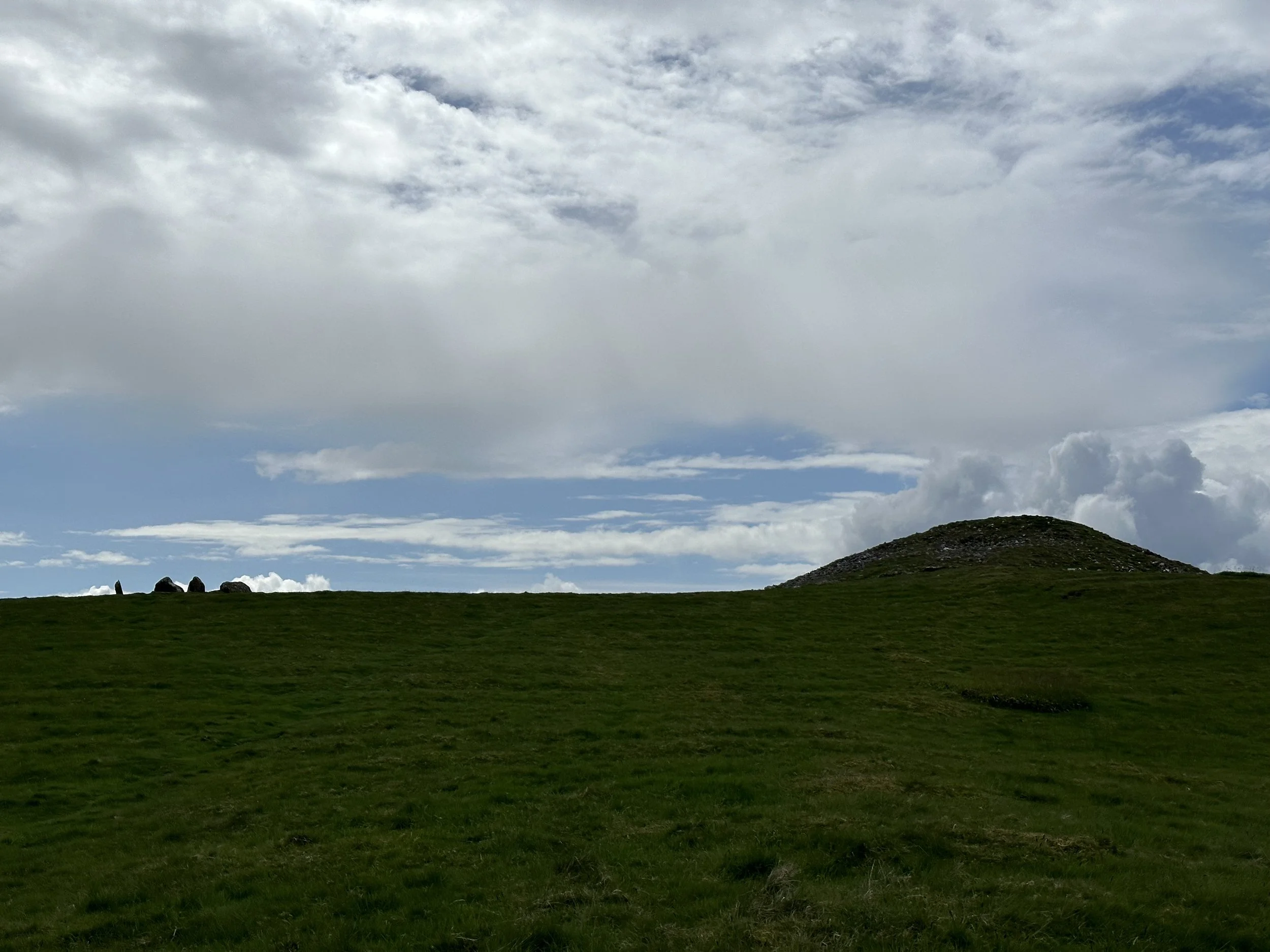
sundown at the Hill of Tara | photo by Erin Langley
The Poet
The health of the kingdom expresses the character of the king. If he lacks integrity, crops fail, cattle become sick, and people suffer and die. When a corrupt king causes rot and ruin, one class of citizens has the power to oust him: the poets.
Seer-poet-historians, called filídh, cultivate knowledge and maturity to wield the power of words over many years. I learned the term long ago in a dream. Since their speech can heal or harm, the filídh hold the keys to the kingdom. The Irish word for poetry means “to shape.” Poets shape the world.
Kings kept broods of these high-class poets. When any leader invoked his own downfall through breached integrity, he could enlist a poet to publicly describe the offense. In rare situations, a poet could also act on her own behalf.[2] This form of poetic justice, called satire, ensures people in power continually earn their position by acting with virtue and integrity with the natural order. Poets punch up.
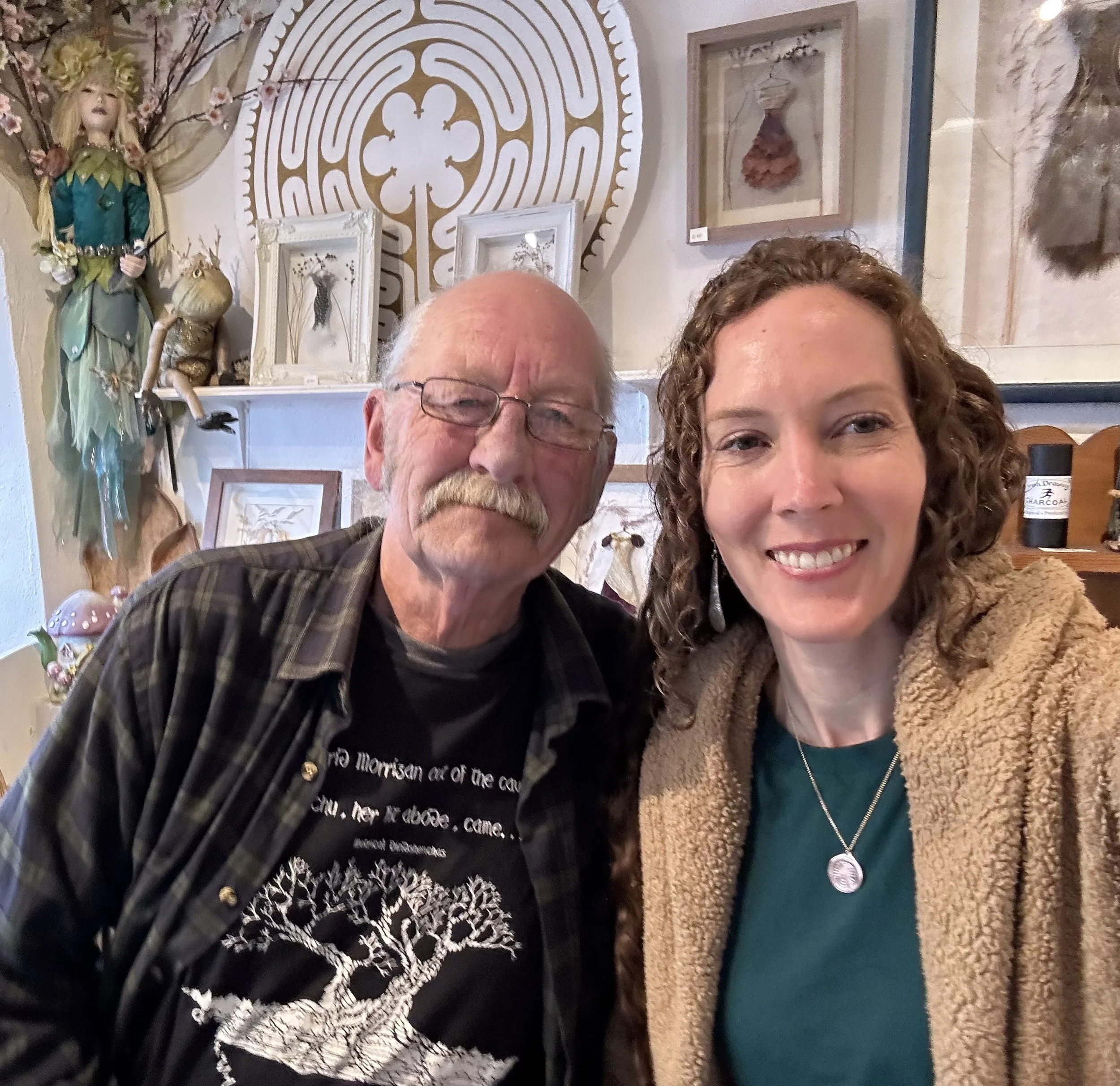
Jack Roberts and Erin Langley wearing Boann’s symbol at the Secret Garden in Galway, Ireland | photo by Erin Langley
The King
In a few days, I’d be heading to Galway. I heard about a fairy field next to an untouched neolithic passage mound that marks the site of just such an ancient regional chieftain. The farmer who stewards the land sees and speaks regularly with the sídhe (fairies). He is a doctor of sorts, who performs “land clearings” and speaks curing words over people. He inherited these gifts from his grandfather. The thought of sitting with this magical place thrilled me.
But first, I needed to see Jack. I stopped by the Secret Garden, where Jack displayed his beautifully-crafted jewelry. Jack Roberts was a true steward of the land. He animated the lore through his prolific books and illustrations of the sacred sites of Ireland, and brought people gently and discerningly to the fairy places. He was among the first modern people to rediscover the astronomical alignments at the passage mounds with the late Martin Brennan in the 1980s.
Jack asked questions and left room for quiet people to think and speak. He was wise enough to remain a beginner despite his expertise. He dedicated his scholarship on the Sheela-na-gigs to women, knowing he “[could] only take the subject so far.” Scanning the beautiful pendants he’d made, I saw one symbol that felt like a reflection from inside me. “That one,” I said. I put it on. “That’s Boann’s symbol,” he told me—the symbol carved in the basin of the innermost chamber of the passage mound of Knowth. The stone basin is so essential and so large that Ireland’s biggest passage mound was built around it. I am so glad I told Jack how much his work means to me that day because it was the last time I ever saw him.
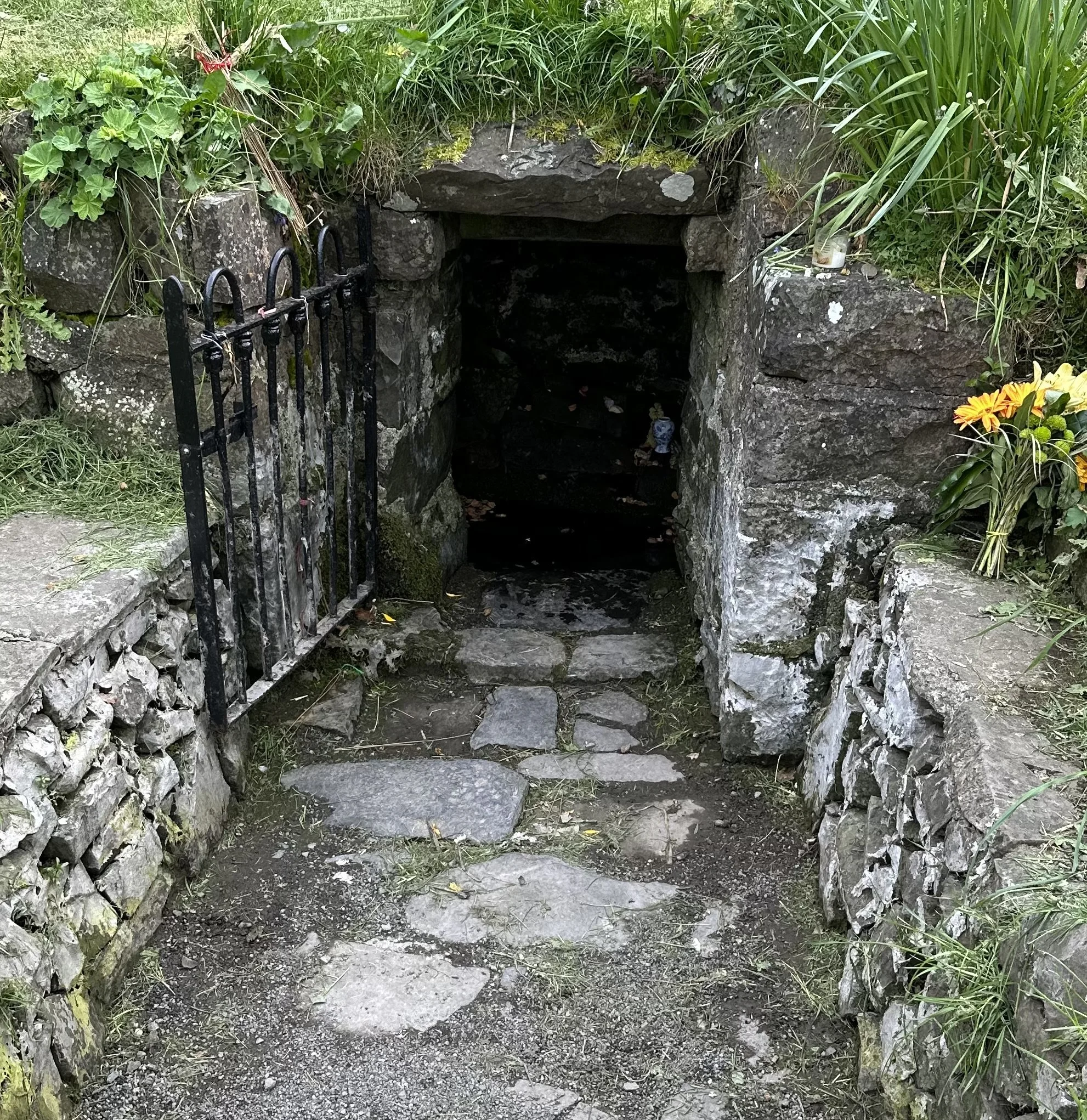
Boann’s Well at the Hill of Tara | photo by Erin Langley
The Cup
In ancient days, otherworldly maidens guarded the springs and wells of the pre-Celtic Ireland, Scotland, Britain, and Wales. Anyone could visit the local well maiden to receive food and drink, or healing from the otherworldly waters they stewarded. The women and the waters were one, and flowed freely through their own generosity.
Well maidens could offer a prospective king a drink, or even her body to solemnize his right to rule. The tradition lasted well into Christian times. In the case of King Cormac’s descendants, all vying for Tara’s rulership, the maiden appeared as a “hag.” Among his four brothers, only Niall accepted her invitation for sex. As such, she gave his line full reign of the Hill of Tara.
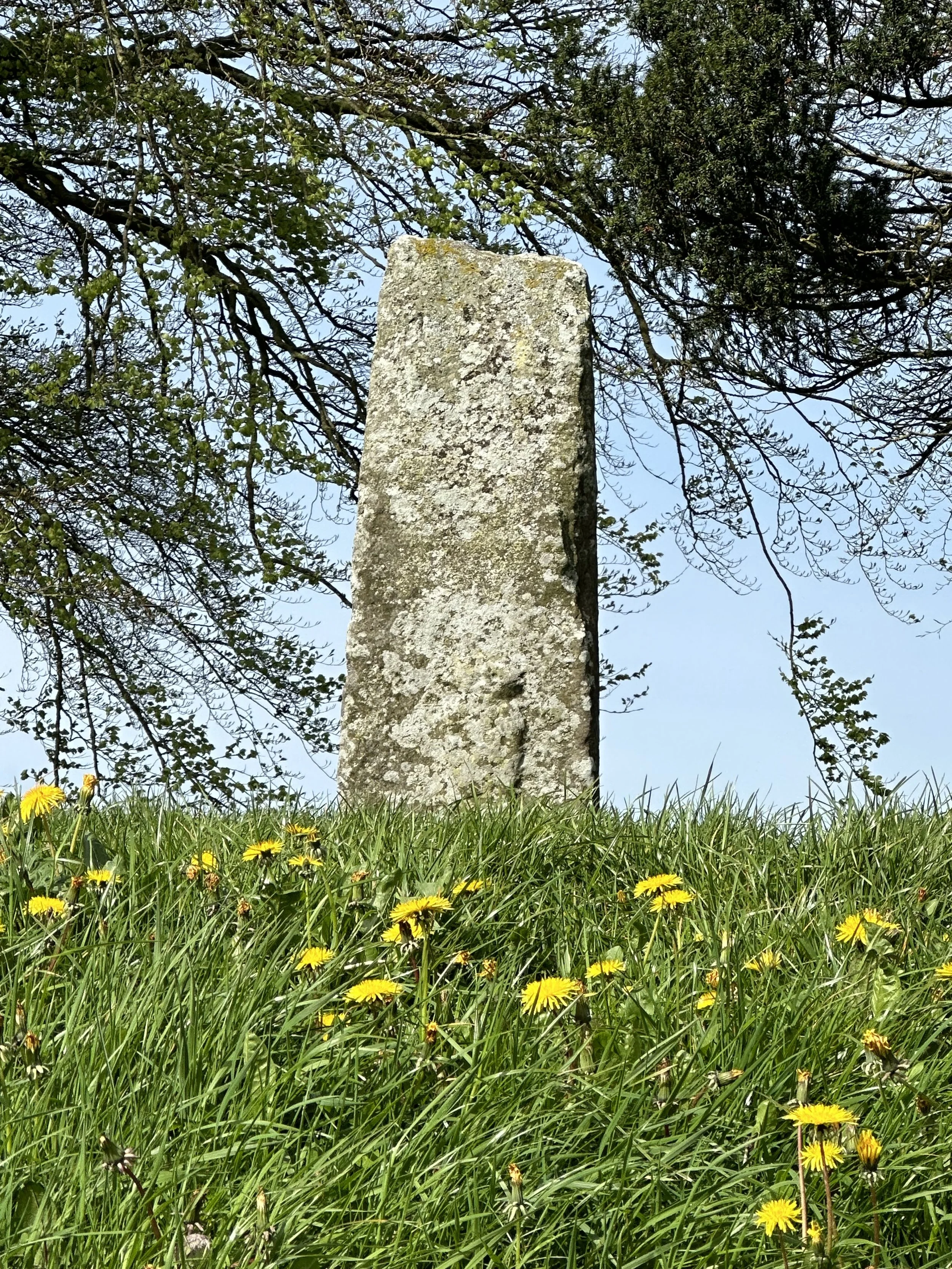
The Sheela stone, which confers a king’s right to rule at the Hill of Tara | photo by Erin Langley
The Desecration
One fated day, an immature king ruptured the contract with the fairy realm. He received food, water, and hospitality from the well maiden, but it wasn’t enough. He saw in her something that he had forgotten within himself, and so he tried to take it. He raped the well maiden, and stole her golden cup. Following his example, the king’s men took whatever women they wanted. Because of this desecration, the well maidens hid their golden cups and retreated from the human world, withdrawing the hospitality, fertility, and otherworldly blessing.
On this day, the heart of the land broke. Soon everyone could see the bright green mantle of Brigid going brown and barren. The island became a wasteland, fallow in all things but war.
Over many years, the green crept back into Ireland, but brokenness still curdled deep beneath its surface. The wasteland grew inside of us, too. We found the will and the want to take, a hunger and a greed so consuming that we forgot to feed others.
We remembered and fed only the burning smallness of ourselves, a coal that kept the flames of war kindled. This invisible fire spread from island to island, continent to continent, until the whole world grew so warm that parts of it, parts of ourselves, began to combust.
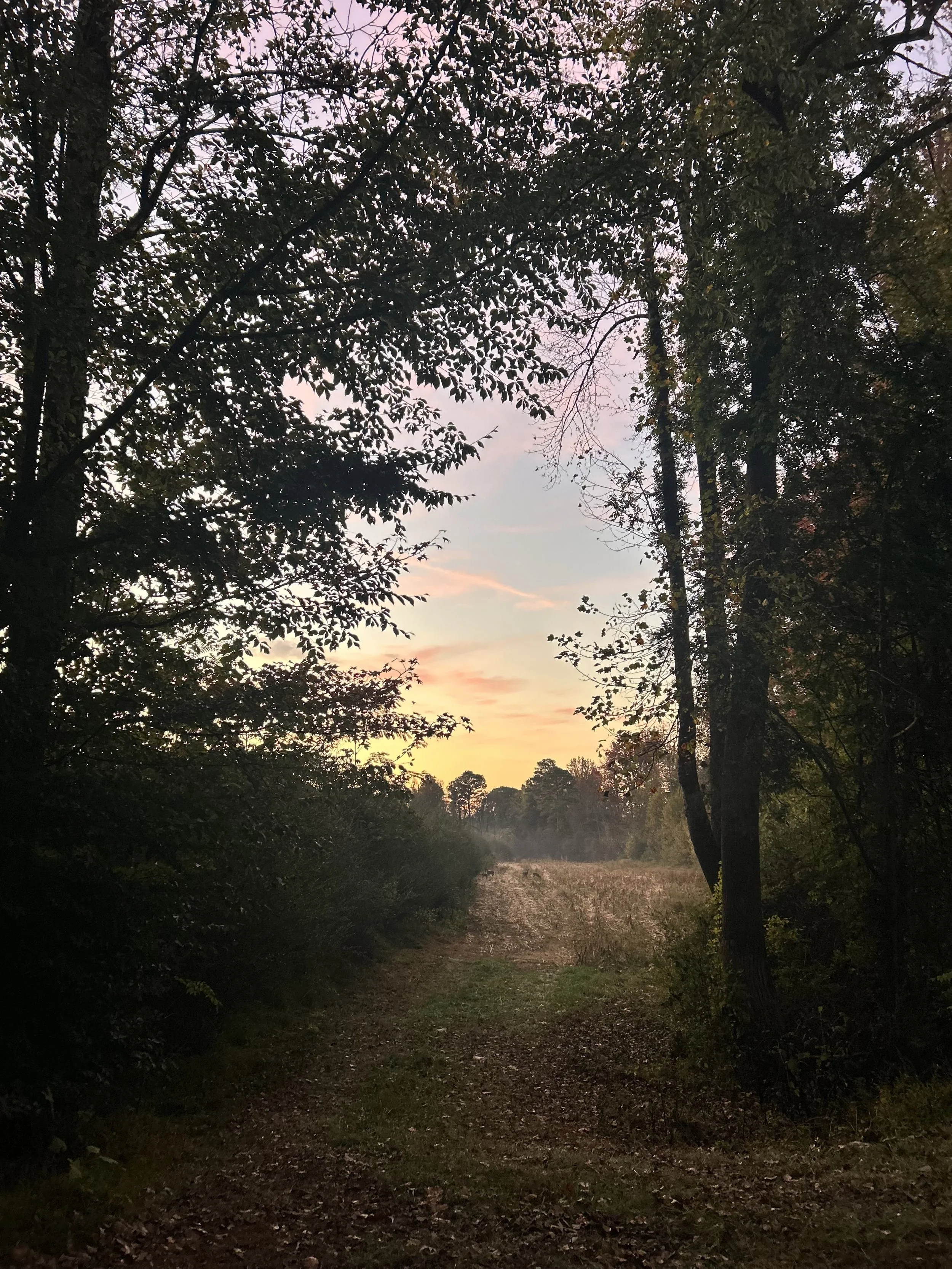
the Sissapahaw forest and farmland being “developed” in Alamance County, North Carolina | photo by Steckley Lee
The Balance
Here in rural North Carolina, a developer has begun drilling wells for a thousand houses near the Haw River, where my son goes to school. There is no sewer or water main. He will pull three hundred fifty thousand gallons of water every day from the ground. This land is already known to fluctuate between drought and catastrophic flooding. Now neighboring wells may run dry. No one who lives here wants this, not even the human beings.
Out of balance, we violate as a matter of course, whether women, water, or land. We shun rest and sleep and death. As the wise Earth knows, life begins in the dark. Everything we bury is a seed, and nothing can truly be lost. It’s easy to play the maiden in the wasteland, the victim of a broken world, but we are also the king. We see and we want and we take.
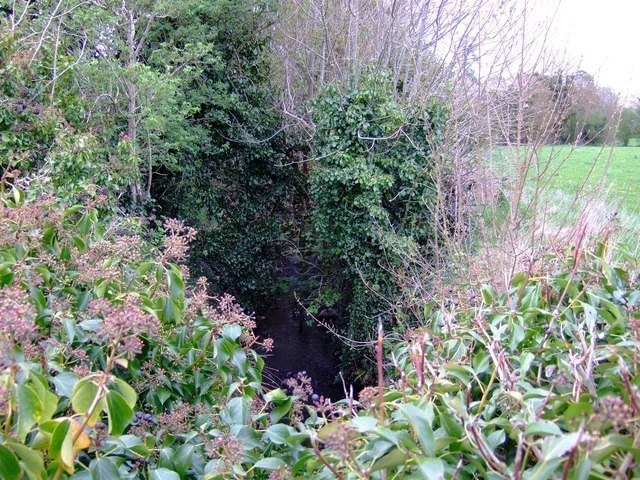
The Well of Segais, otherworldly origin of the River Boyne | photo by Sarah Gallagher, Wikimedia Commons
The Well
Boann, the white cow goddess of the River Boyne, may have come into being after the well maidens retreated from the human realm. By the time we meet her, men own the wells and the cups. Only Boann’s husband and his three male cup-bearers can approach the otherworldly Well of Segais.
Nine hazel trees circled the well, which granted complete knowledge to anyone who drank from its waters. The Salmon of Wisdom was born here, having eaten the magical hazelnuts that enlightened the well.
Just after she has given birth to her child with the Dagda, “gentle Boann” approaches the cup-bearers and walks three times widdershins (counterclockwise) around the well.[3] The widdershins motion goes against the apparent path of the sun, which social order considers unnatural. But life moves both ways.
The well erupts, overcoming Boann. Three tremendous waves take her eye, her hand, and her foot, as she merges with the waters that rush toward the sea. Now the well and the goddess are one again, as Boann becomes the life-giving River Boyne, whose “milk” nourishes the entire valley. At night, we see her celestial river, the Milky Way, sparkling on the mirror of the River Boyne.
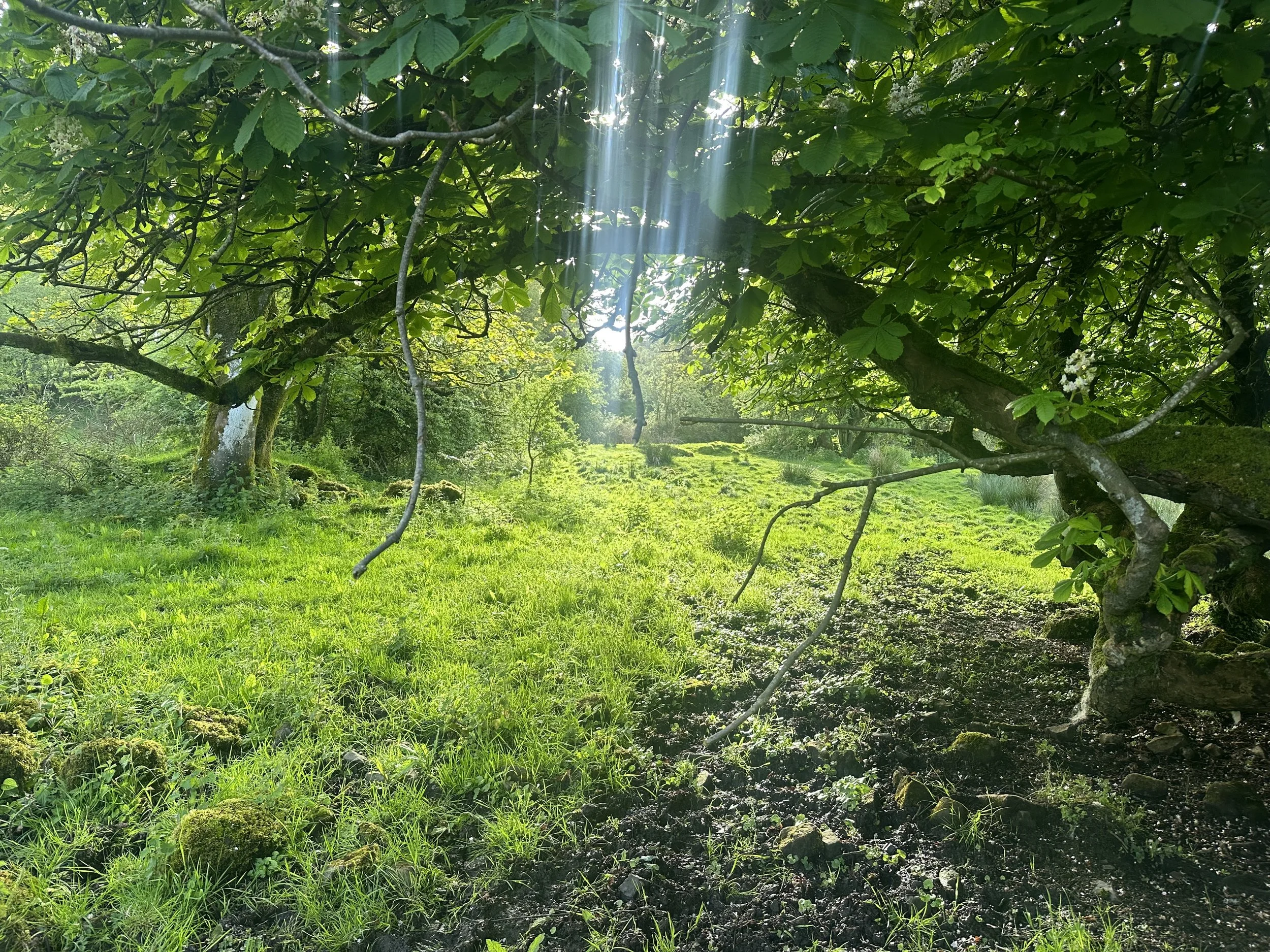
horse chestnut tree near a well-known fairy place in Galway | photo by Erin Langley
The Sídhe
On my way to the farm, the sídhe began speaking to me. They asked for tallow and gold. I looked up the meaning of tallow, and found some rendered duck fat at the market. I had a handful of Euros in change, and offered them as a symbol for gold.
His lovely and vibrant wife met me at the door, introduced me to her children and their pets before leaving to run an errand. Then after a long day of farm labor, he walked through the door. I could feel a good power, like a rising sun, when he entered the kitchen. We traded stories about our lives, noting uncanny common ground. I told him I was on pilgrimage, carrying a prayer for the sovereignty of the land. He asked if I wanted the tour. Yes.
I remember deciding not to freshen up or brush my teeth before we left. It was an uncharacteristic choice, but I felt exhausted from the long day, and I didn’t care if I looked or smelled good. He lent me a pair of wellies for the muddy trek, and led me deep into 60 acres of the most beautiful ancient place I’d ever seen.
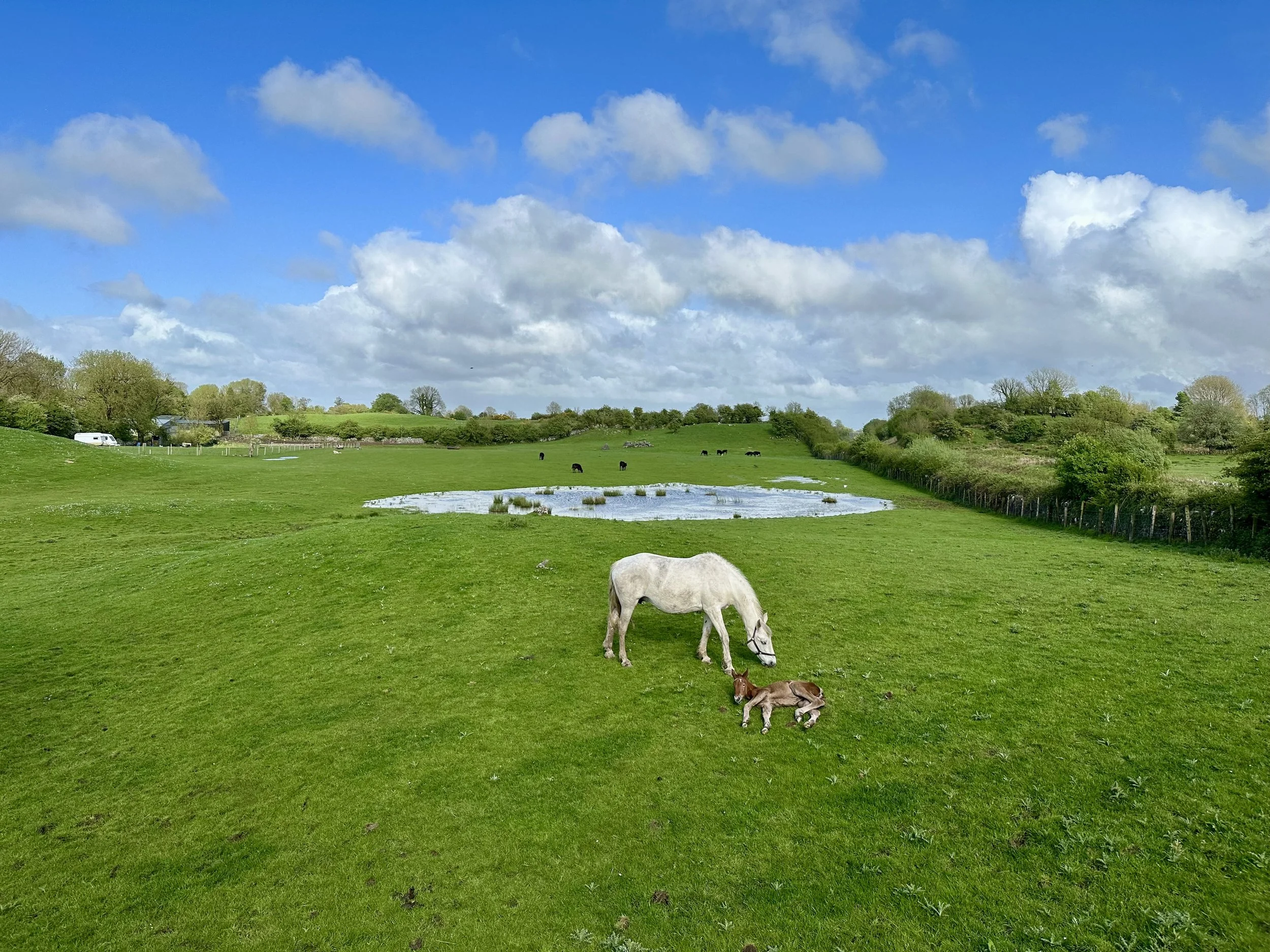
A foal had just been born on the farm in Galway | photo by Erin Langley
First, we came to a fertility rock. He instructed me to sit on it, then made a bawdy comment. “Even if you don’t want children, who doesn’t want good sex?” He looked at me expectantly. I probably forced a laugh, chalking it up to the Irish sense of humor. Things start getting fuzzy here, but I want to remember. We ventured through thick, muddy terrain until we reached the fairy field.
I lay the tallow and gold at the entrance of the field, asking permission to enter the black and white hawthorn trees that marked a threshold to this extremely potent domain. A gentle breeze greeted me. I stepped inside.
Altered and literally entranced, I said aloud, “This place is too powerful for me right now; it will take me at least another day to arrive.” I’ll come back to the field tomorrow after a good night’s sleep. I lingered in silence. He asked if I would like to visit a nearby tree, where he offered healings. Yes.
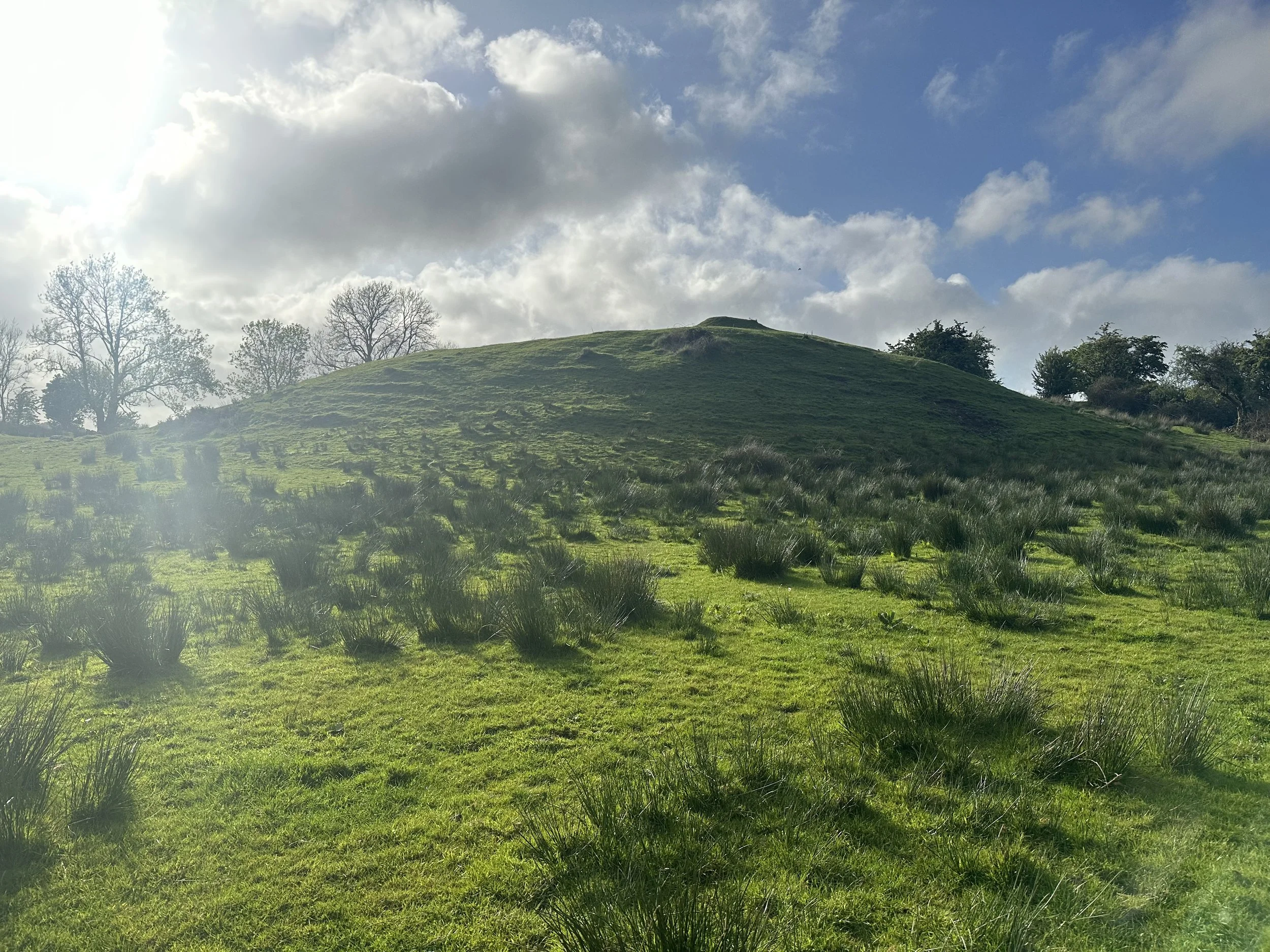
an unexcavated passage mound in Galway | photo by Erin Langley
The tree stood near the untouched passage mound, where an old regional chieftain may have lived and died. I admired the farmer’s choice to turn the government away when they wanted to excavate it. With one hand on me and one hand on the tree, the farmer walked me through a healing visualization—a story of rebirth. After his prayerful words, he came in for a hug.
I remember the blue and white stripes on his shirt, that the top buttons were undone. I remember his large hands with dirt under his fingernails. I had to look back at the photos to help me remember the rest. I am surprised to learn that our walk began at 5:15 pm, and that we kept walking until 5:53. By 6:27, it had happened.
I watched in horror from what felt like outside my body as his hug turned into much more. I froze—incredulous. A split-second ago, I had liked this man. I had trusted him. I had met his family. I had seen dozens of photos of him smiling with the people he brought to his field. I’d read wonderful reviews about his Airbnb.
I pulled away. It wasn’t enough.
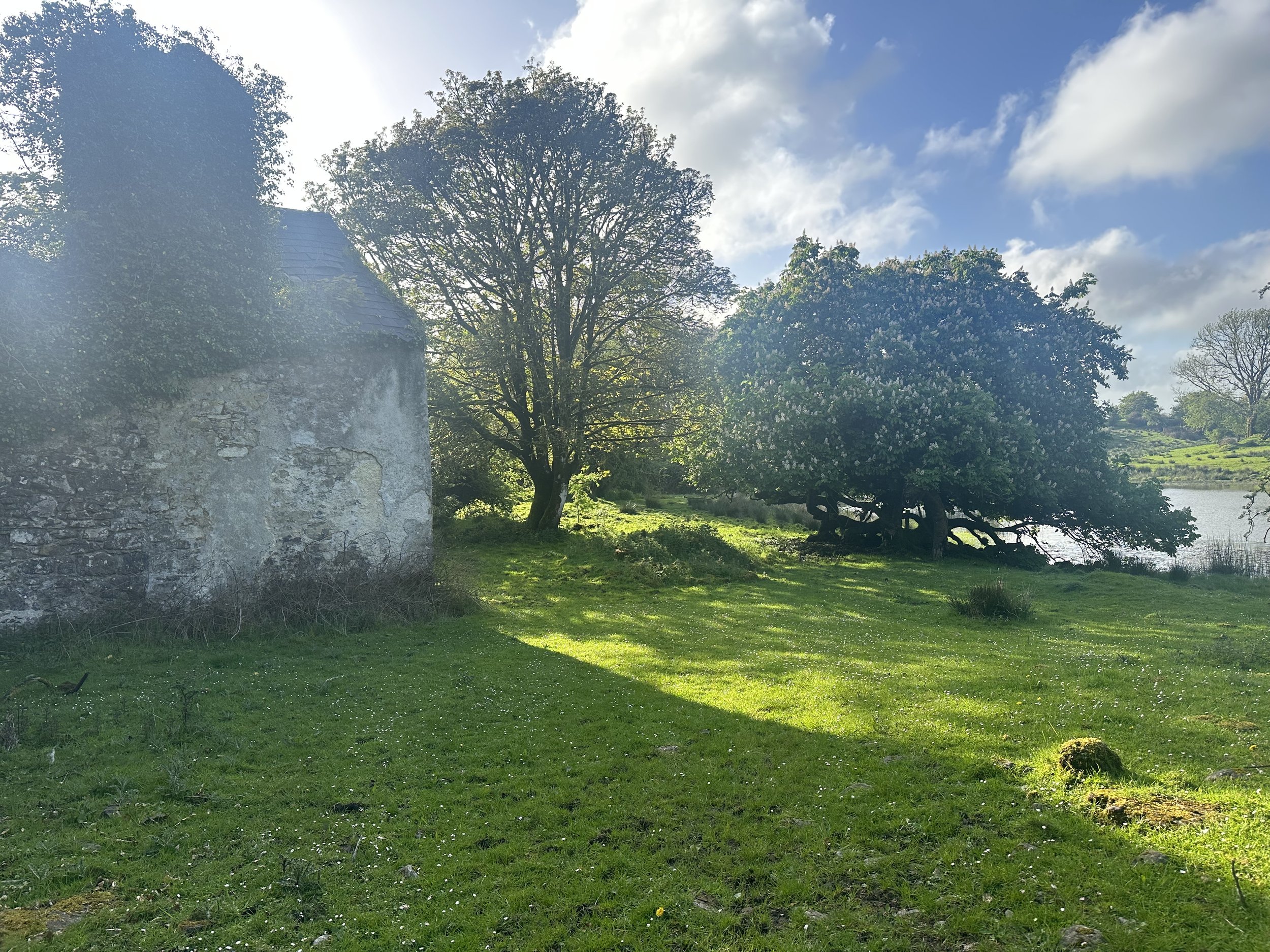
a stone abbey in Galway at 6:40pm
Weeks later, someone close to me asked, “How could you let him do that?” I don’t know. When I re-enter that moment now, I simply say no, like a mother correcting a toddler. We don’t do that. It’s not appropriate. In some ways, that’s how I feel about him and about what happened. It does not feel personal. Motherly concern even arises in the mix of emotions. But in the shock of that moment, which felt deeply personal, I simply waited outside of my body until it was over.
Does he think I enjoyed that? I remember feeling appalled that we still had more land to tour. I had no idea where I was. I had no idea what to say. I had no idea what to do. I floated above the landscape, as he told me that people have offered him thousands of dollars for his sperm, that we were soulmates, that I should move into the stone abbey on his pond. No.
Oneida/Frank elder Dr. Apela Colorado taught me to document everything. Occasionally, she would even instruct me and my colleagues to take pictures during ceremony. The highs and the lows—record it all. What happens in our indigenous (whole, connected) minds can seem unbelievable, so she encouraged us to prove it. Photos record stories so that we can share them, remember them, and digest them. I knew better than to take a picture of the fairy field, knew better than to take anything at all from that sacred place. But I chose to take a picture of him, after what he did to my frozen body beneath the tree.
His face in that photo documents everything.
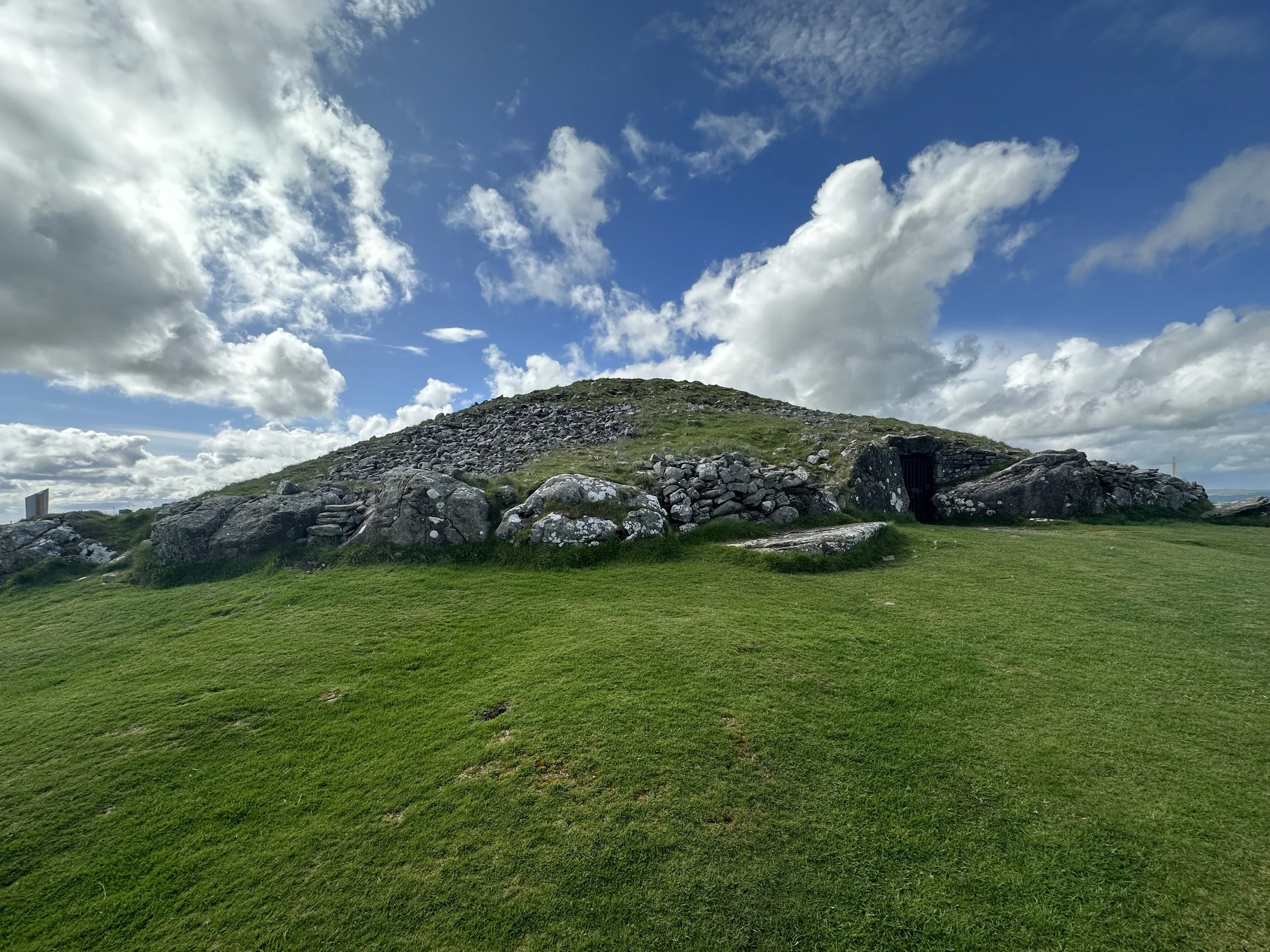
the main passage mound at Loughcrew, Ireland | photo by Erin Langley
The Escape
As soon as I got back to the farm, I texted my husband Darren—texted because I was afraid that someone would overhear my cry for help. Dusk was setting in. I’d already unpacked all of my things. I’d already told his wife I’d be at dinner. In shock, I actually thought I would still spend the night there. Darren cut through my confusion. While the farmer fed the animals, I repacked my belongings, hauled everything back to my car, and bolted. I left 20 euros on my nightstand for dinner.
Darren found a hotel for me in Galway. I wrote to Jack to tell him what happened so that he would warn women away from the farm. I drove in the dark, weeping like a baby all the way to the city. I made it there alive, and slept poorly in a strange place.
When I woke up, the land spoke to me. Come to Loughcrew. I will take care of you. I knew it was the Cailleach.
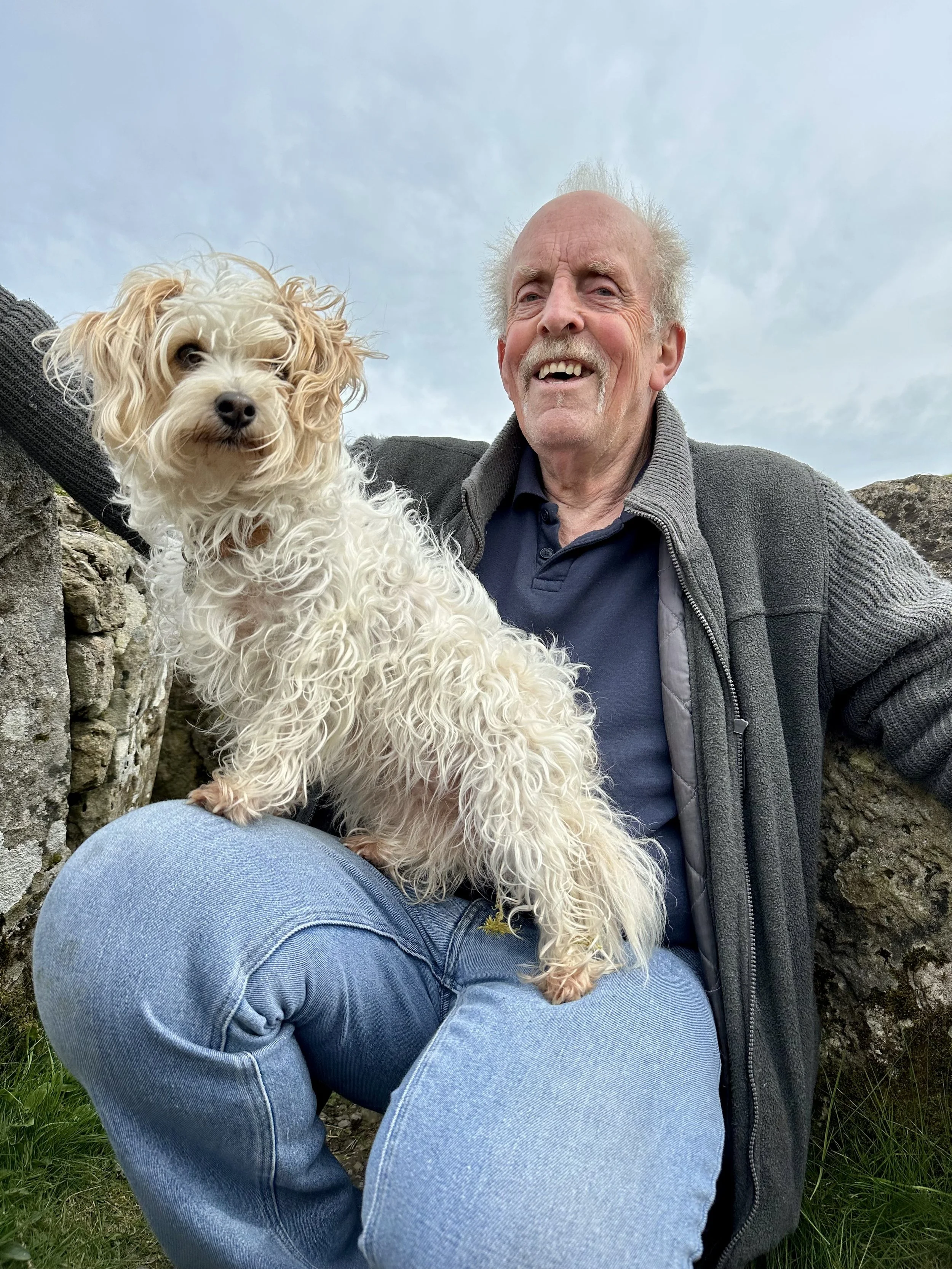
Lar Dooley, warrior of Loughcrew | photo by Erin Langley
The Cailleach
I drove two hours to Slieve na Cailleach, one of the earliest Neolithic complexes in Ireland. Lar Dooley, a vocal protector of the site, generously shared its lore with me, as he had with countless visitors over decades. He taught me to first go to the local well to cleanse before approaching the ancient holy seats of my ancestors. I am grateful I recorded everything Lar told me during this trip—I would never see him again, either.
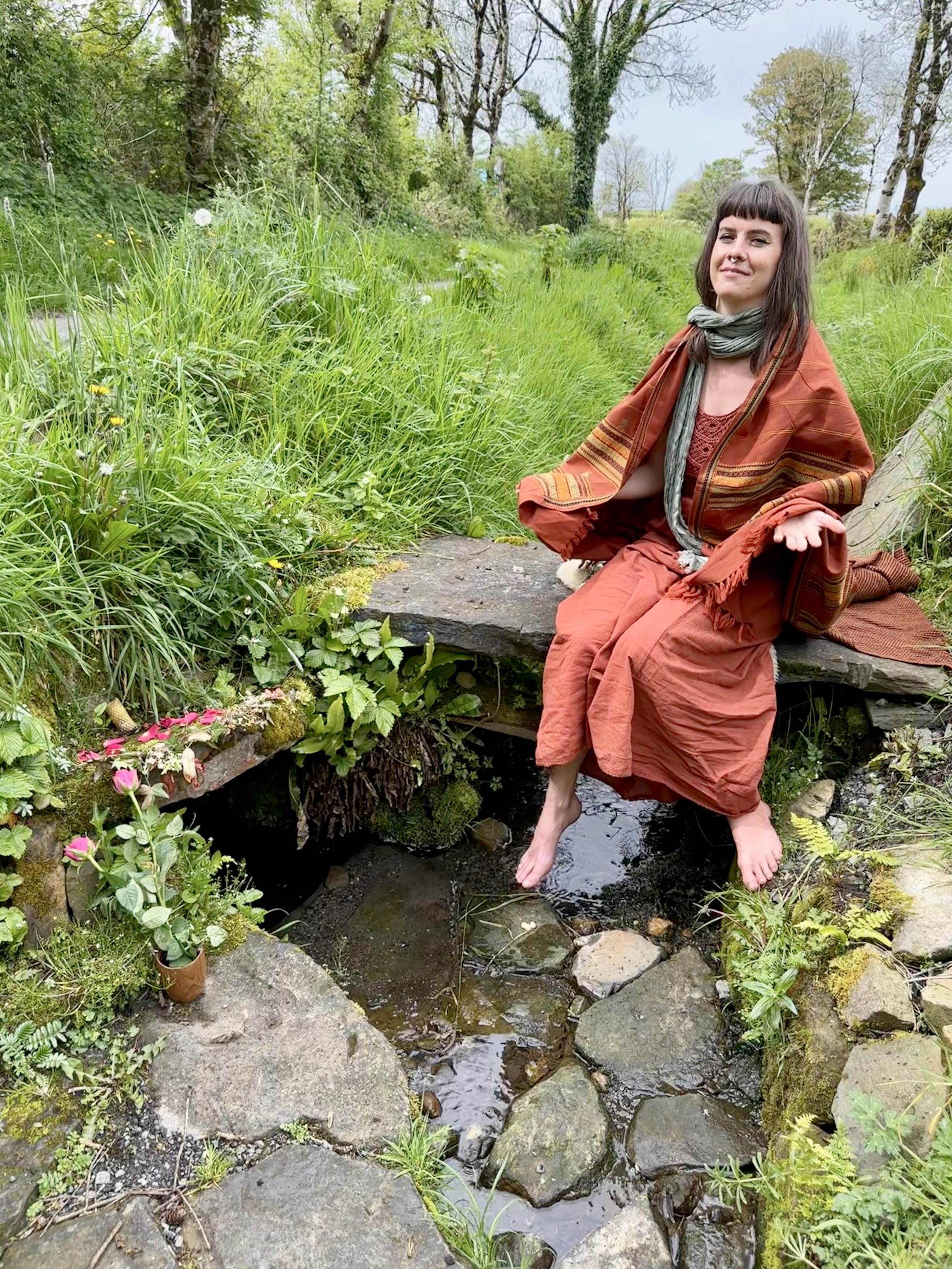
the well maiden at the Cailleach’s well | photo by Erin Langley
As I pulled my car off the narrow road, I saw a flesh-and-blood well maiden guarding the Cailleach’s well. May flowers decorated her hair and waters below. She opened her eyes and greeted me. “I don’t want to impose,” I told her, but she invited me toward the well. I washed my hands and face in silent prayer. Please help me. The land had instructed her to come sit at the well, and now she knew why. Tears and words came tumbling out. I told her everything. She hugged me, both of us weeping.
I was afraid to name him, scared he would retaliate. But the well maiden figured it out on her own. She led tours, and would warn women away from his farm.
We parted ways, and I wept my way up the long hill. At the top, I tied a piece of my hair to the clootie tree and asked permission to enter. The Cailleach guided my movements, showing me where to lie down. I remember the gravel felt soft as a quilt when I curled up on it. It confused me then, but now I understand that the Cailleach, the stones, and I were one.
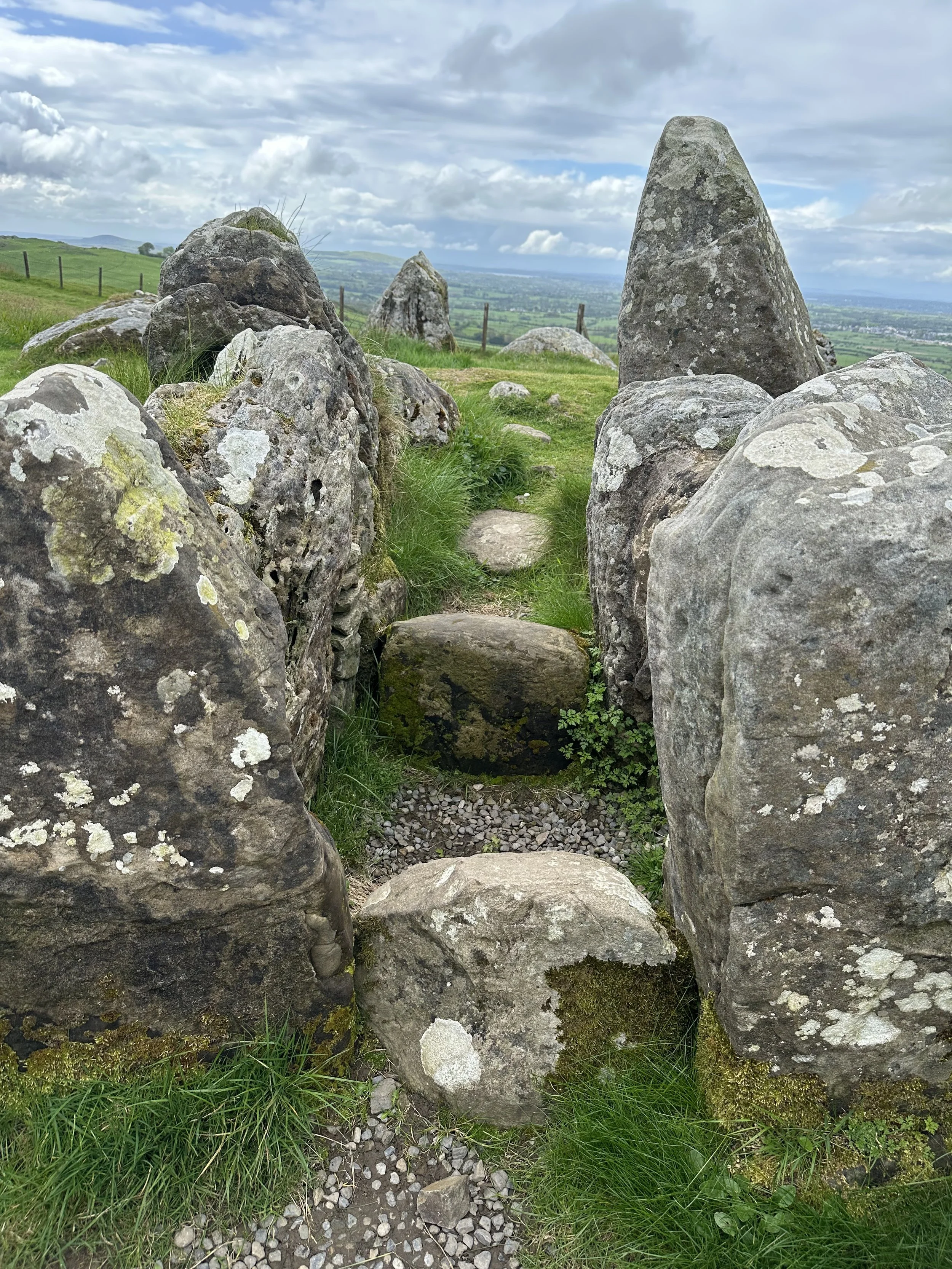
the stones of Loughcrew | photo by Erin Langley
The Morrigan
That evening, I returned to my guesthouse at Tara. My hosts showed me kindness and concern. “Did you go to the police?” The thought hadn’t even entered my mind.
That night, I dreamed of drinking the Morrigan’s ashes. It’s the only time I’ve met her. She was full of warmth and grace, not what I expected based on how I’d heard people describe her: warlike. But I saw how she simply arrives as a mother does to defend her land and children. When I asked her for help, she gave me the answer only a true friend will give: Help yourself. Drink up, she said. Everything within me is within you.
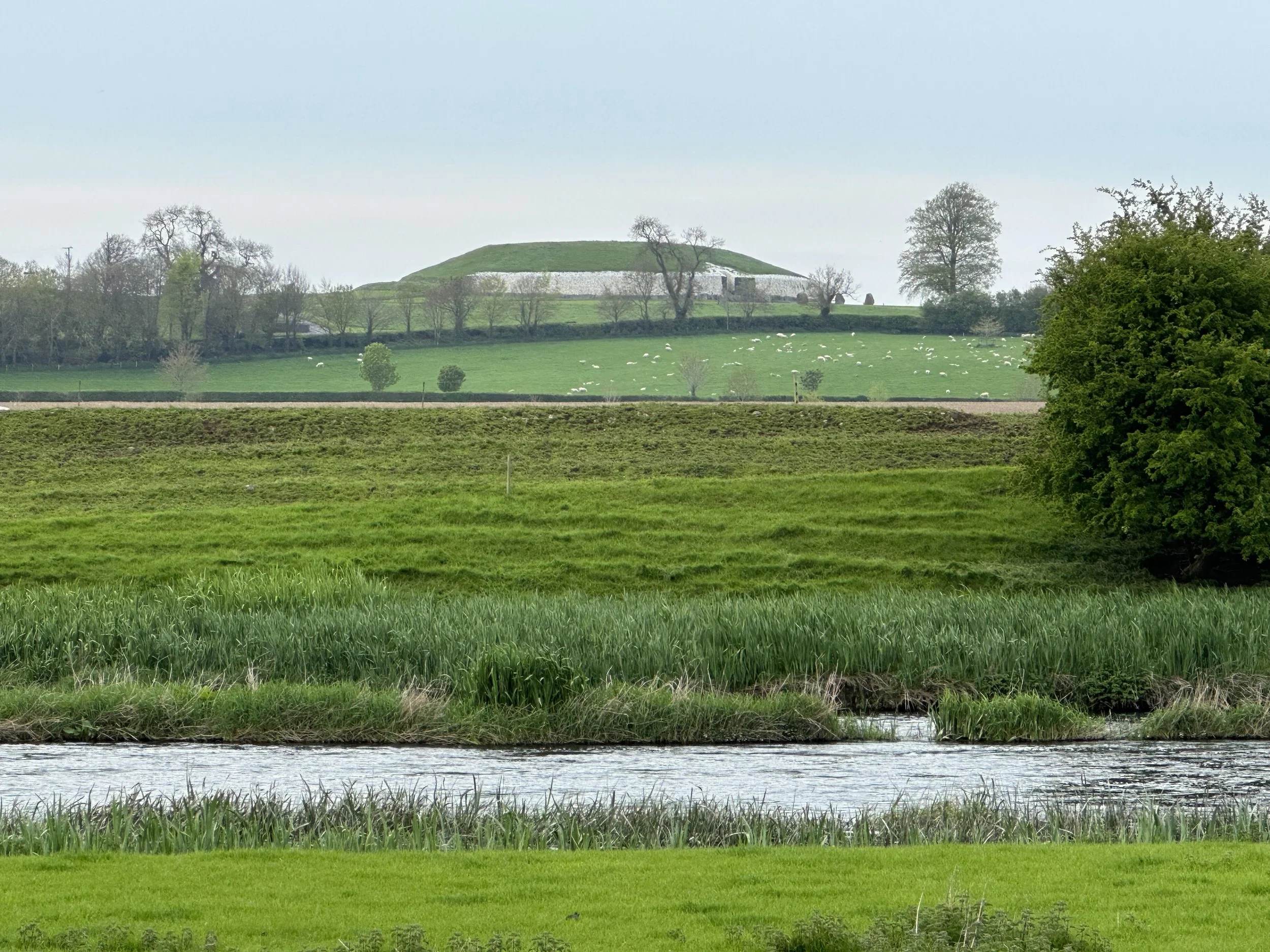
Boann’s mound, Bru na Boinne, where she and the Dagda conceived a baby | photo by Erin Langley
The Dagda
The Dagda, first king of the Tuatha de Dannan built the passage mounds by dragging his “club” around the land. He holds a macehead that can kill nine men with one blow atop a healing wand that can bring people back to life. I needed the macehead to write this story. It had been lingering in my body for years, like a latent pathogen.
The same year as the assault, the ceremonial macehead of Knowth showed up in my mailbox. It’s a replica, of course. I’d had a picture of it on my altar when it arrived, so when I found myself holding the macehead in my hands, I burst into tears. It was one of those truly magical moments that Apela had prepared us for. The artist, Scott Knight, sent it to me, as a gift. I painted it to match the relic from Knowth, as part of writing this story.
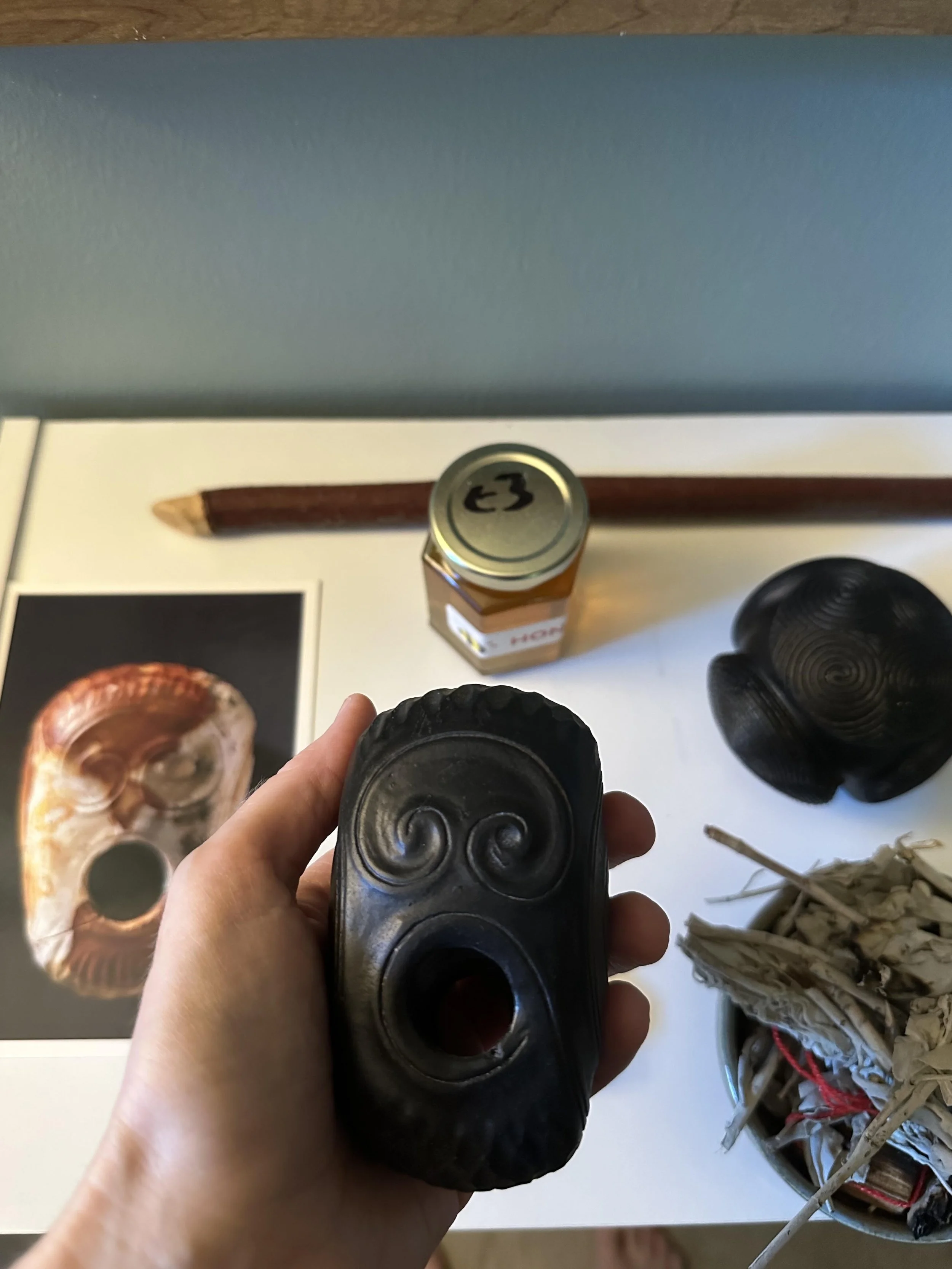
the day I received the ceremonial macehead, 2023 | photo by Erin Langley
Separated, the macehead and the wand are equally lethal. The ceremony at Tara forced me to reckon with my own imbalance. I did receive a healing at that tree. It was a bitter medicine that has taken more than three years to digest. I know I am the maiden and the king, the predator and prey, the violator and the victim. I know I am the land. I know that I am story and that I am no story. I know that the day I finished writing this is the day that my months-long menstrual bleeding stopped. I had to tell my story, or it was going to kill me.
The Poem
Satire is a gift from the Tuatha de Dannan, the shining ones who descended from a ship onto a hill in Connacht on Bealtaine eve. Along with tremendous upheaval, they conferred their unparalleled gifts of poetry, art, warfare, and magic to the human beings of Ireland. Satire ranged from insult and insinuation to ritualized incantations that could “blemish” or even kill the offender.
How do you un-violate a woman? While researching his specific offense, I learned that he would have owed me six milk cows. Satire does not curse, but simply makes an unseen breach of conduct visible to the community.[4] The poet upheld fír flathemon[5], the truth of the ruler, including human checks and balances that prevent false accusations. A false satire causes the satirist to fall on her own sword, rather than impacting the honor of its recipient.[6]
The fili customarily gives the offender an opportunity to make amends before publicly revealing him. This can involve private negotiations to resolve the issue without resorting to satire. In this case, I spent one year grieving, grappling, and healing. I wanted my letter to be generous. After reading it, he blocked me.
No.
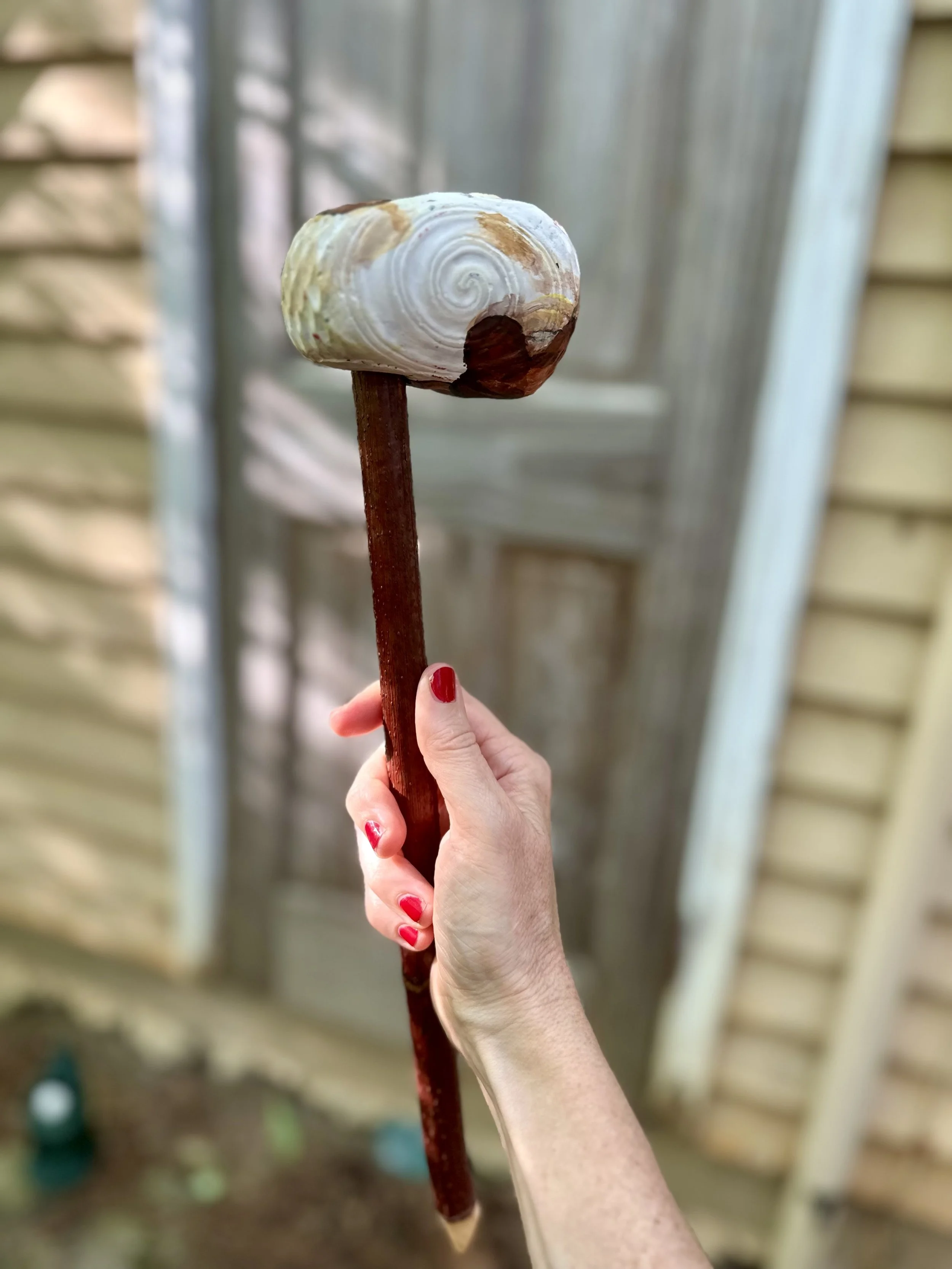
Holding the macehead and the wand at the door to my well, August 31, 2026 | photo by Erin Langley
I join the macehead with the wand. I walk widdershins around the well. I submit this satire in accordance with fír flathemon. The waters may come for me, but my cup has been restored.
I brought your family bread and berries,
Gold and tallow for the fairies—
I carried Eriu's Sovereignty.
You desecrated your own mother
When you drugged me with the land
and took me to the "healing tree."
I froze in shock: what-do-I-do-what-do-I-do—
how-do-I-get-back-to-the-farm-without-you—
My first thought was not of me,
but of your wife and daughters three.
You spilled your "power" on the mound,
spawning your own battleground.
Do you know you call the Morrígan
when you desecrate the land?
"How often does this happen," I thought to ask.
"Not that often," you said, unmasked.
"People like me can't be fenced in,"
you explained to me from your prison.
Six milk cows will not repay a debt
the land itself cannot forget.
No longer will you "heal the land"
or women with corrupted hands.
The time has come to be remade
in Her image, Sovereign.
Mace and wand in hand, I walk
Widdershins around the well,
Boann spills your secret now.
How many maidens? Know our names.
Pay what fír flathemon demands you pay,
Or you, Pat Noone, bring shame to Nuada,
the sidhe, your land, your name.
While we, the women upon whom you've preyed,
remain as Eriu, Sovereign.
Endnotes
1 Whitley Stokes, Irische Texte mit Übersetzungen und Wörterbuch in Irische Texte, ed. Whitley Stokes and Ernst Windisch (Leipzig: S. Hirzel, 1891), vol. 3:1, 183–222 (183–184; 203–221).
2 Cath Maige Tuired [The Second Battle of Mag Tuired], §90, ed. and trans. Elizabeth A. Gray, Cath Maige Tuired: The Second Battle of Mag Tuired, Irish Texts Society 52 (Naas: Irish Texts Society, 1982). After wrestling the Dagda to the ground, the daughter of Indech “satirized him three times so that he would carry her upon his back” — an unusually explicit example of an interested party personally exercising satire rather than engaging a professional fili. Text and translation available through UCC’s CELT edition. See also §89: when the Dagda enters the Fomorian camp, Indech orders him to eat an enormous quantity of porridge “so that he might not satirize the Fomoire” — establishing that the Dagda himself was regarded as capable of directing satire against those who mistreated him, though none is delivered in that episode.
3 In Old Irish, túath means “left” or “north,” because when we face the rising sun, north is on our left side.
4 Uraicecht na Ríar §24, ed. and trans. Liam Breatnach, Uraicecht na Ríar: The Poetic Grades in Early Irish Law, Early Irish Law Series (Dublin: Dublin Institute for Advanced Studies, 1987), 114–15. The tract enumerates the elements composing satire, including congain comail, corrguinecht, translated by Breatnach as “magical wounding, sorcery.”
5 Fír flathemon, “the ruler’s truth”: see Audacht Morainn (The Testament of Morann), ed. and trans. Fergus Kelly, Early Irish Law Series (Dublin: Dublin Institute for Advanced Studies, 1976). The text catalogues the prosperity — peace, good harvests, healthy children — that flows from a ruler whose conduct upholds this truth.
6 Bretha Nemed Dédenach, ed. E. J. Gwynn, “An Old-Irish Tract on the Privileges and Responsibilities of Poets,” Ériu 13 (1940–42): 1–60, 220–36; see also the translated portions in Liam Breatnach, Uraicecht na Ríar, 42–57.